
Mining & Milling Brief | 1 November 2026 | News window expanded to 7 days
A mill can have available power while another part of the plant limits ore treatment. For process and purchasing teams, the useful question is where the current constraint sits and which measurements support a change. A recent disclosure from Peru provides a reason to review grinding and tailings handling together.
The recent disclosure
Buenaventura’s 29 October disclosure links San Gabriel’s processing constraints to tailings-filtration reinforcement. Processing resumed in late September. [1]
Identify the constraint before changing a mill setting
The operational lesson is to review the complete solids-and-water route. A restriction in tailings handling can limit the feed rate that the plant can sustain, even when the grinding equipment itself is available. This does not establish that a different grinding ball would remove the restriction.
Start with an agreed process balance. Confirm the permitted operating envelope, filter availability, feed conditions and acceptable cake discharge. Changes to grinding size or circulating load can affect downstream conditions; the direction and scale require site testwork and engineering review. The mill supplier’s limits and the site’s approved instructions remain controlling.
As technical background, Metso’s process-optimization discussion treats filtration capacity and moisture control as connected operating constraints. It is background guidance, not a new announcement or evidence that Metso supplied the installation discussed here. [2]
Keep grinding and filtration data on the same clock
Compare aligned operating periods rather than a mill snapshot with a monthly filter average. Record downtime and ore changes so that a process interruption is not mistaken for a media-performance result.
| Area | Record together | Decision supported |
|---|---|---|
| Grinding | Dry ore treated, operating hours, power and product size | Whether the grinding duty changed |
| Classification | Feed size, circulating load and slurry conditions | Whether comparisons describe similar conditions |
| Filtration | Operating units, cycle times, feed solids and approved cake criteria | Whether downstream capacity limits the plant |
| Media records | Batch identity, additions and relevant inspection results | Whether a later supplier trial can be interpreted |
Questions for a grinding-media purchase review
- Is the procurement request for an operating circuit that uses steel media, and which mill or stage is covered?
- Has the plant approved a representative operating window for comparing batches?
- Will planned filter work change the operating hours or ore blend during that window?
- Are the requested diameter, material and inspection criteria confirmed by the responsible site team?
- Who will reconcile production and media records before drawing a cost or wear conclusion?
These questions complement the technical specification; they do not prescribe a charge level, mill speed or filter operating procedure. When interruptions prevent a comparable trial, retain the records and agree a new evaluation window instead of claiming a performance improvement.
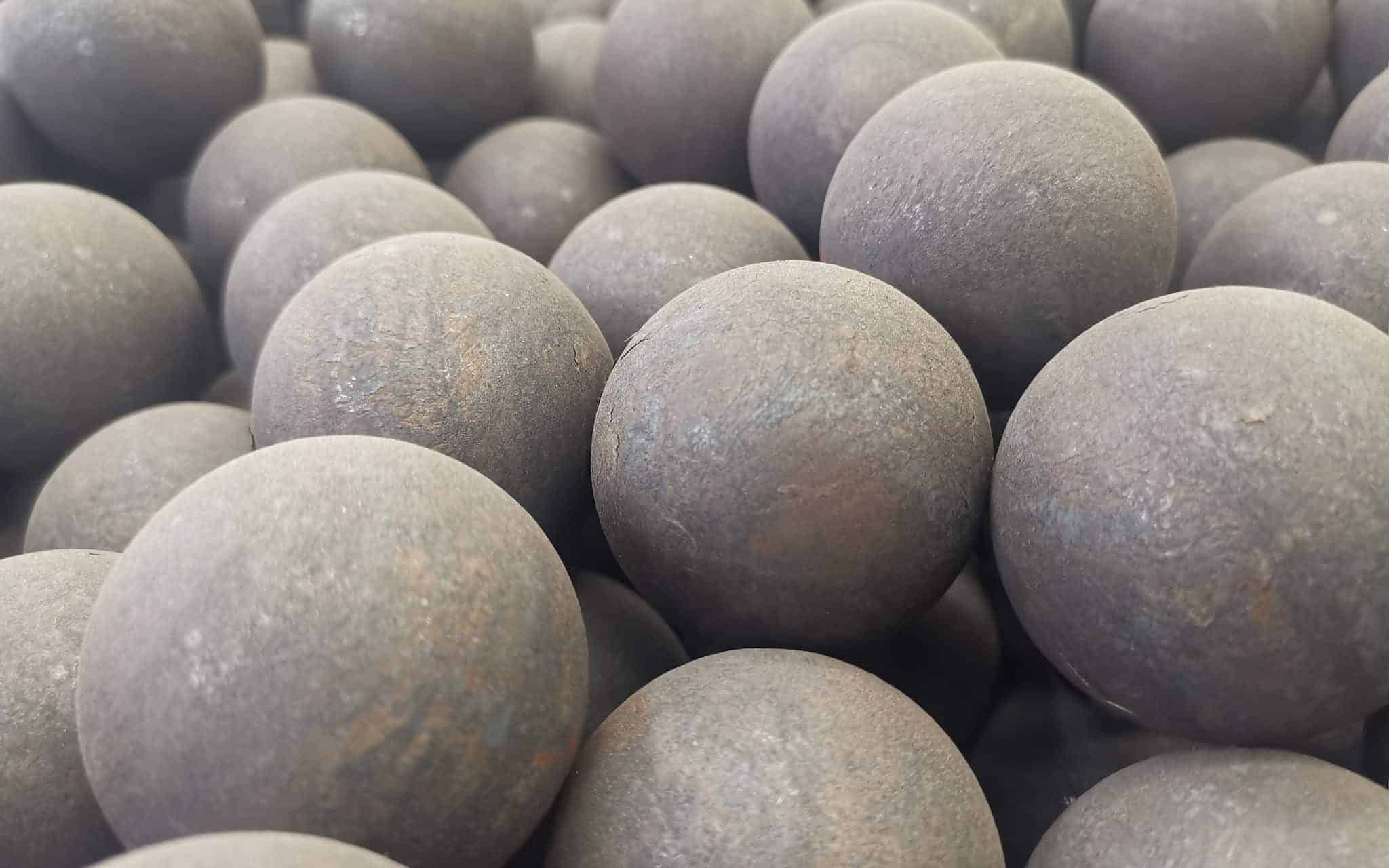
Discuss the defined grinding duty with Gangyan
Shandong Gangyan Grinding Ball Co., Ltd. supplies forged grinding balls for ball and SAG mills. Share the approved duty, ore information and inspection requirements when requesting a review. Our specification guide and product information support that discussion; final suitability and commercial terms are confirmed for the enquiry. Gangyan does not claim a supply relationship with the project cited here.
Grinding-ball specification guide · Forged grinding balls · Contact Gangyan
Original sources and editorial scope
- Buenaventura: 29 October 2026 disclosure filed with the SEC
- Metso: process-optimization background — 8 August 2024
Project facts are attributed to the issuer. The operating checklist is Gangyan’s editorial analysis. This article does not determine the project’s media purchases, specifications or supplier relationships.