What Are Grinding Balls?
Types, Materials, Applications and Selection Guide
Ø10–150 mm | Forged, Cast and Hot-Rolled Grinding Media | Technical Selection Support
How Grinding Balls Work in Mineral Processing
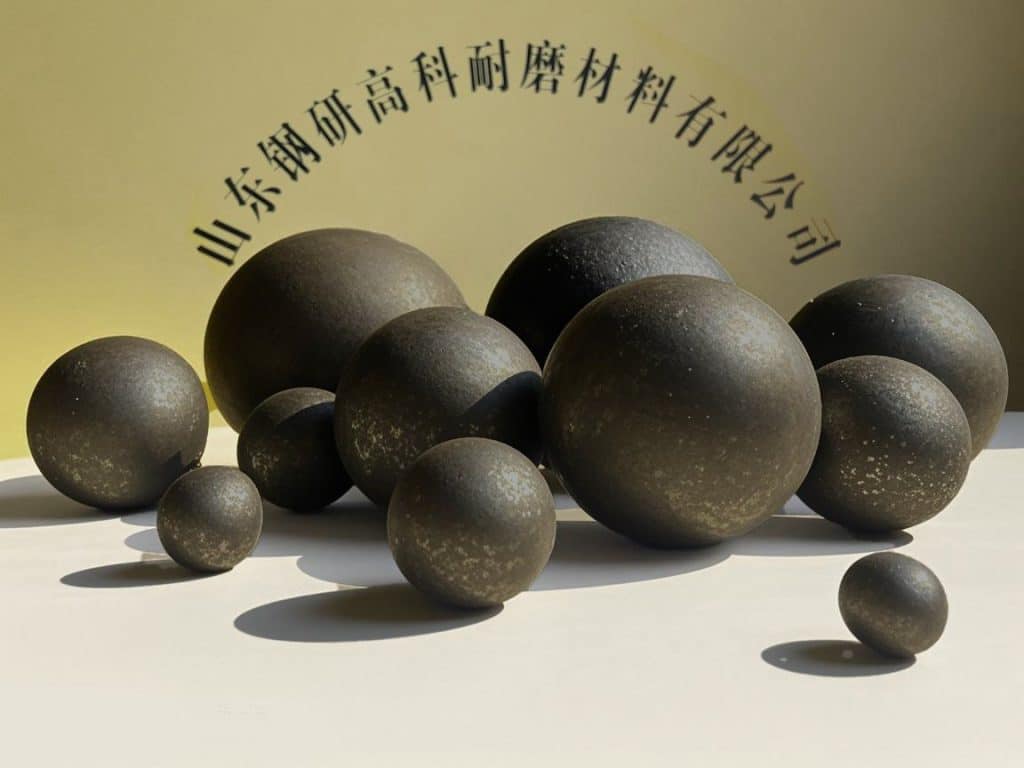
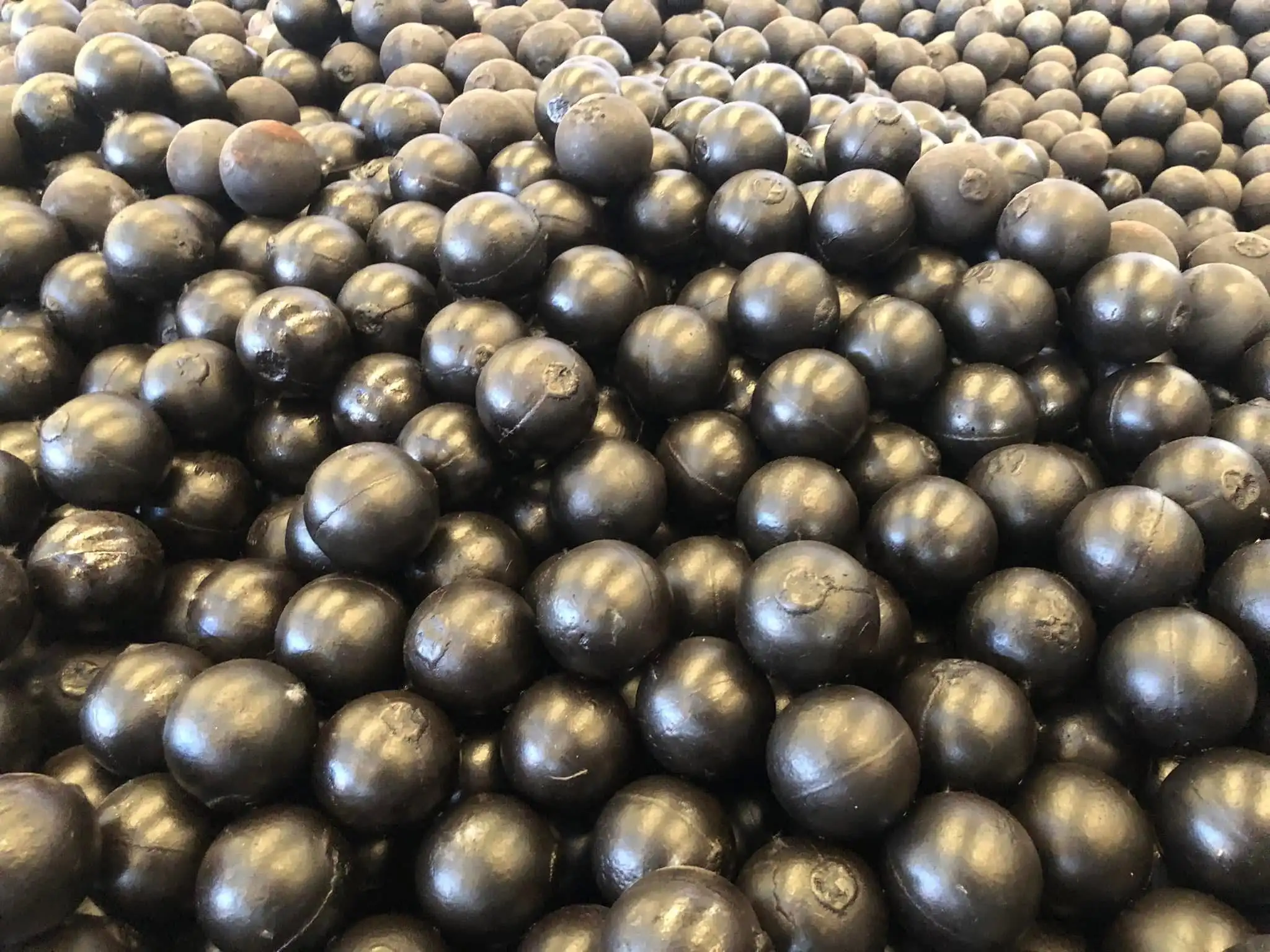
Grinding balls are wear-resistant media used inside ball mills and SAG mills to reduce ore and other materials through impact and abrasion. Their diameter, material grade, hardness profile and impact toughness directly influence grinding efficiency, media consumption and overall mill operating costs.
They are widely used in mining, cement production, thermal power generation and mineral processing. The correct grinding ball should be selected according to the mill type and diameter, ore hardness and quartz content, feed size, impact conditions and the required grind size.
Types of Grinding Balls and Their Composition
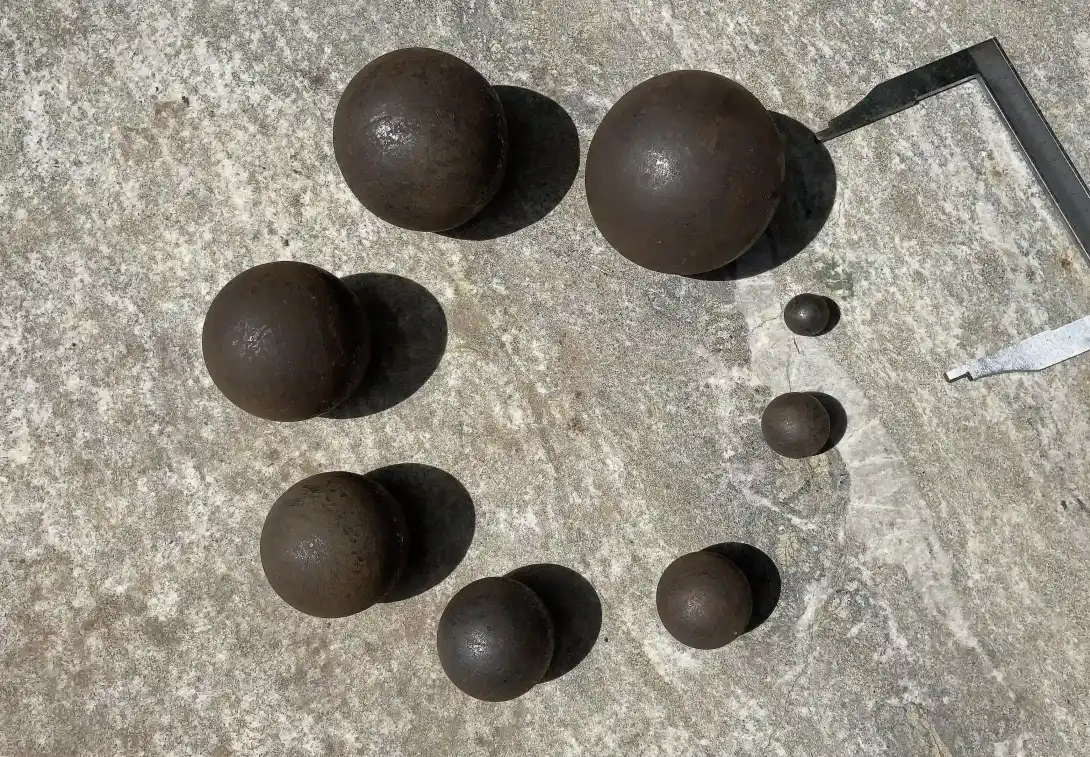
Grinding balls are commonly classified by manufacturing process and material into forged steel balls, cast grinding balls and hot-rolled steel balls. Each type differs in hardness distribution, impact toughness, wear behaviour and suitability for different mill and ore conditions.
1. Forged Steel Balls
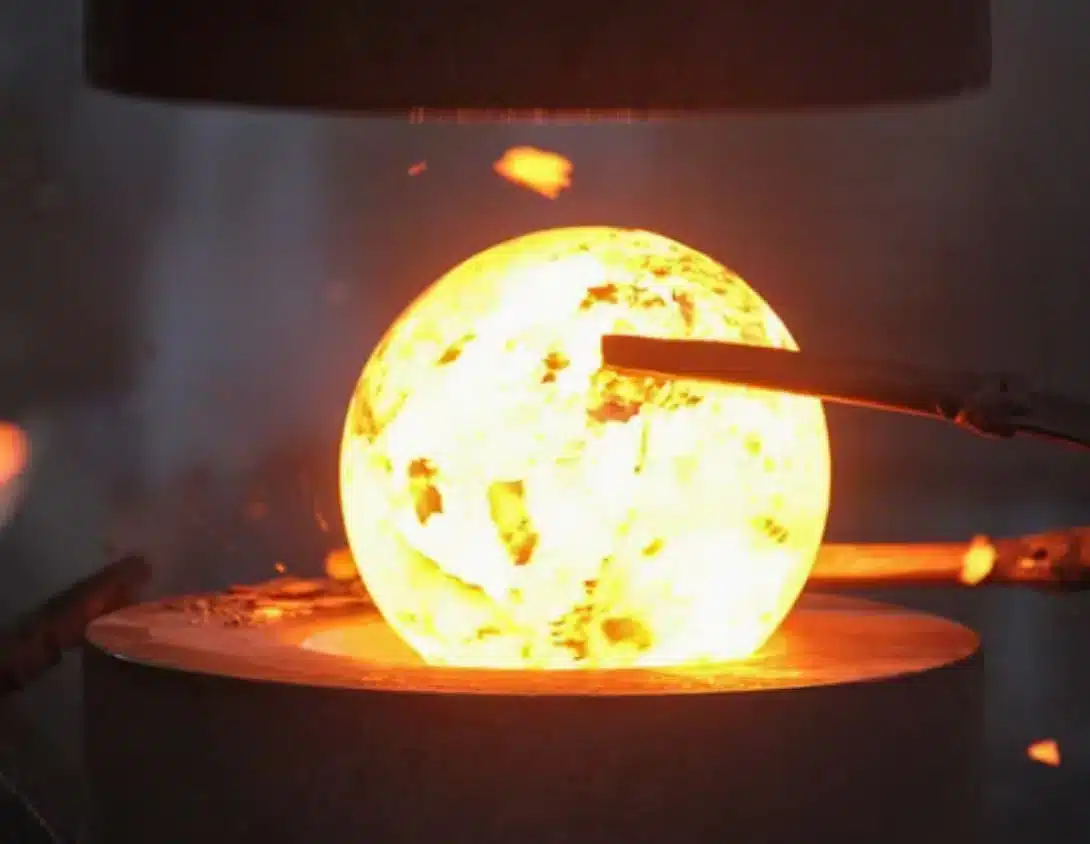
Forged steel grinding balls are manufactured from selected carbon and alloy steel bars. The steel is heated, forged to shape, and then subjected to controlled quenching and tempering. This process develops a dense internal structure, a stable hardness profile, and the impact toughness required for ball mills and SAG mills.
Key Features:
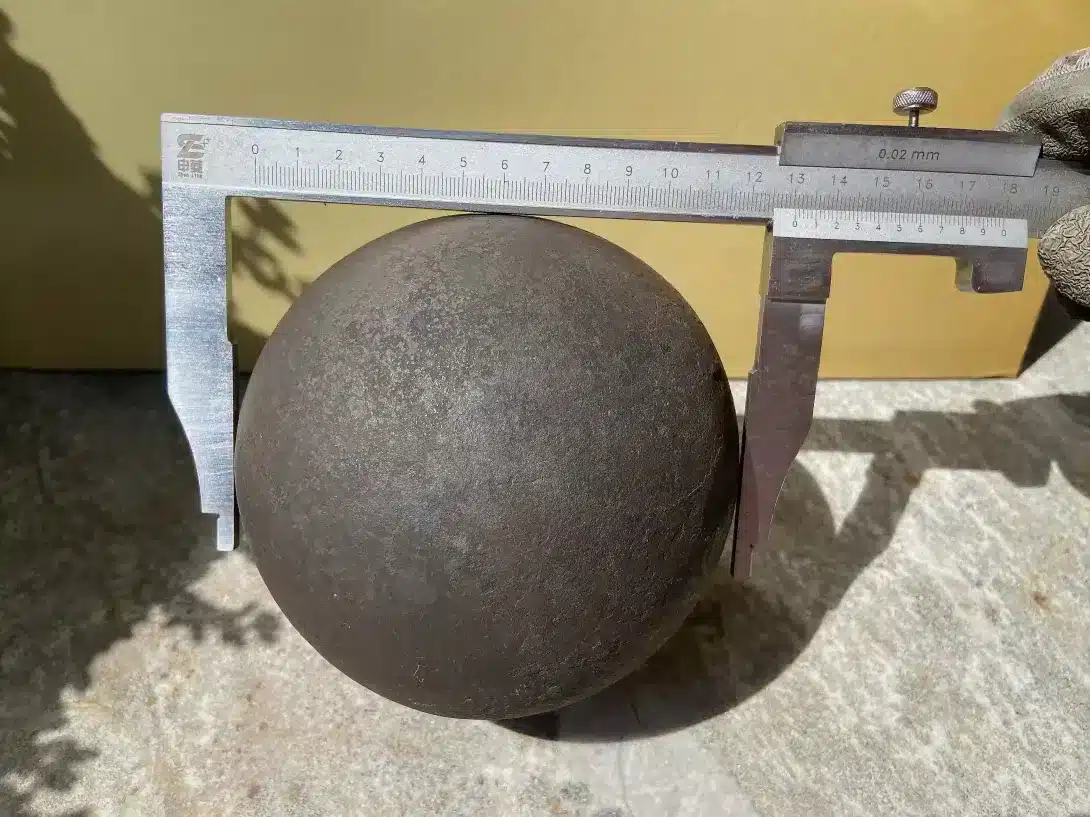
- Available in diameters from Ø10 mm to Ø150 mm. GY-45, Mn, B2 and B3 grades are selected according to mill and ore conditions.
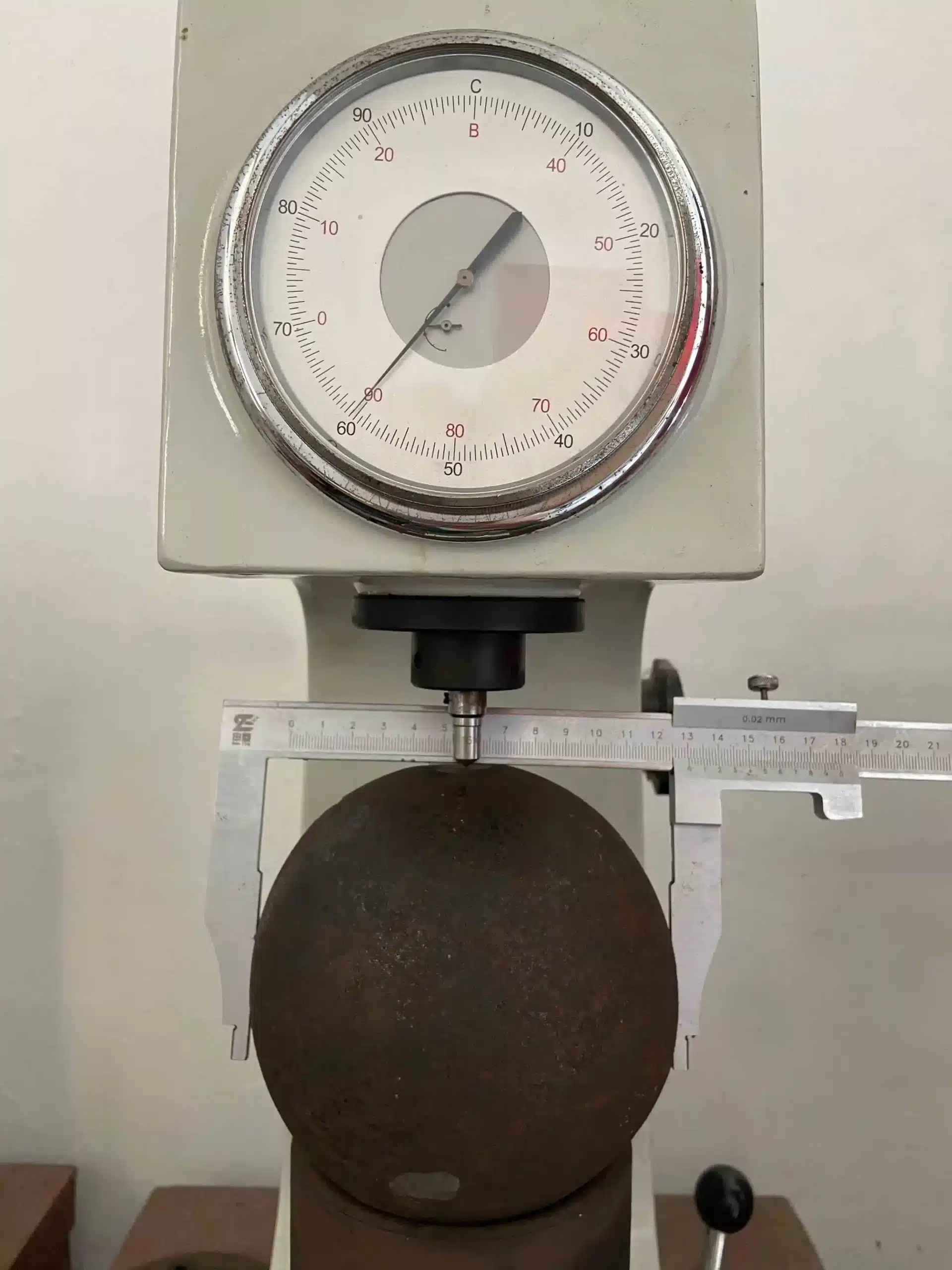
- For applicable B2 and B3 specifications, surface hardness can reach 60–65 HRC, core hardness is at least 58 HRC, and the surface-to-core hardness difference is no more than 3 HRC.
- Impact toughness is at least 12 J/cm², drop-ball testing covers at least 12,000 cycles, and the breakage rate does not exceed 0.8%, subject to the agreed grade, diameter and test method.
- Suitable for ball mills and SAG mills in mining, cement production and thermal power generation.
- Material grade and ball diameter should be selected according to mill size, ore hardness, quartz content, feed size and impact conditions.
2. Cast Grinding Balls
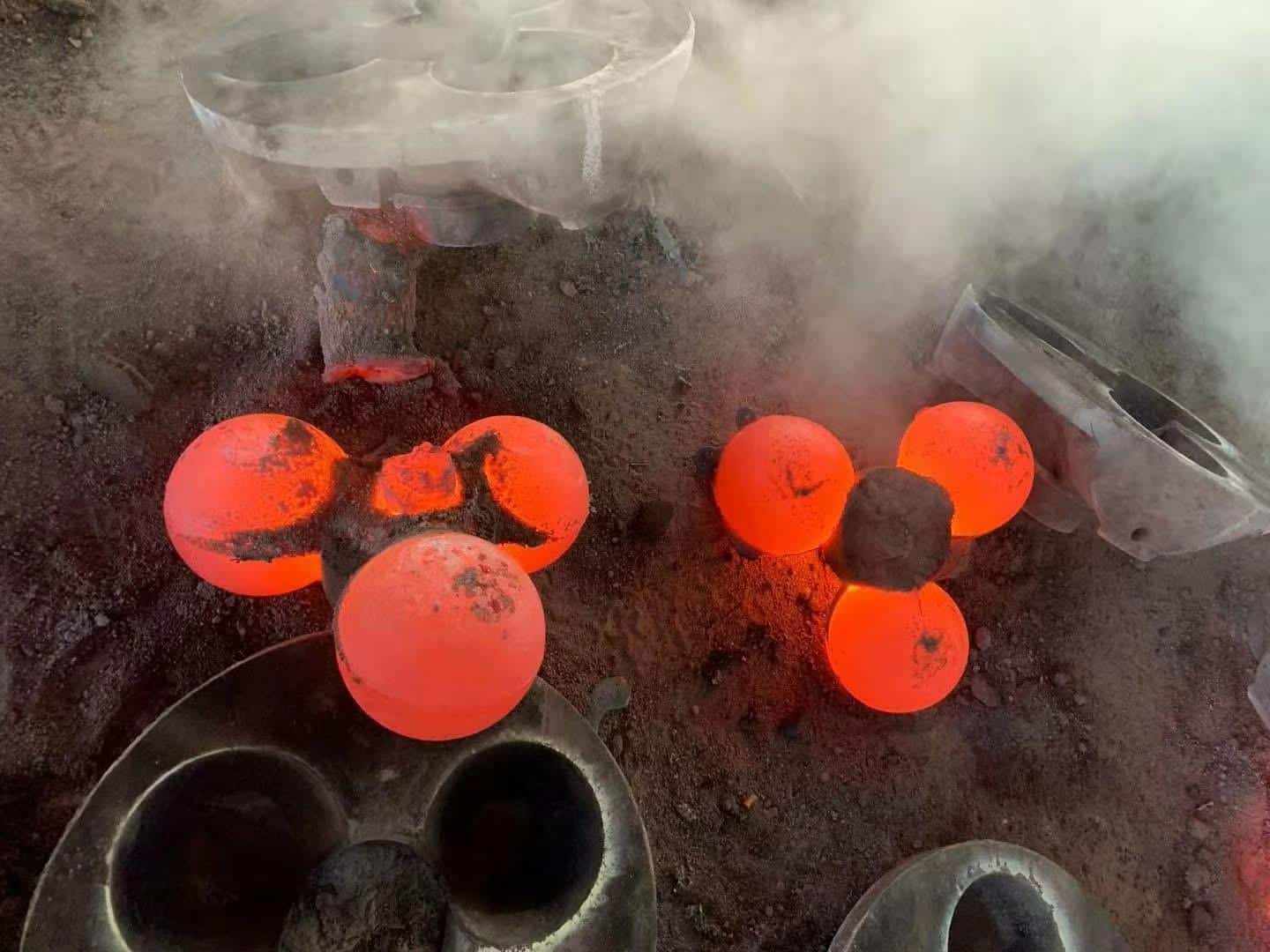
Cast grinding balls are produced by pouring molten alloyed metal into molds, followed by controlled heat treatment. Their hardness, impact resistance and wear behaviour depend on chromium content, alloy composition, casting quality and heat-treatment control. They are commonly used in cement plants, thermal power generation and selected mineral-processing applications.
Common Categories:
- Low-Chromium Cast Balls: Generally selected for lower-abrasion and moderate-impact grinding conditions.
- Medium-Chromium Cast Balls: Provide a balance between hardness, wear resistance and overall operating cost.
- High-Chromium Cast Balls: Offer higher abrasion resistance and are commonly considered for dry-grinding and cement-mill applications.
- Selection Factors: The appropriate grade should be selected according to mill diameter, wet or dry grinding, impact level, ore abrasiveness and the required grind size.
Chromium content alone should not be used as the sole selection criterion. Exact chemical composition, hardness range and heat-treatment requirements should be agreed for each order and verified through the corresponding inspection records.
3. Hot-Rolled Steel Balls
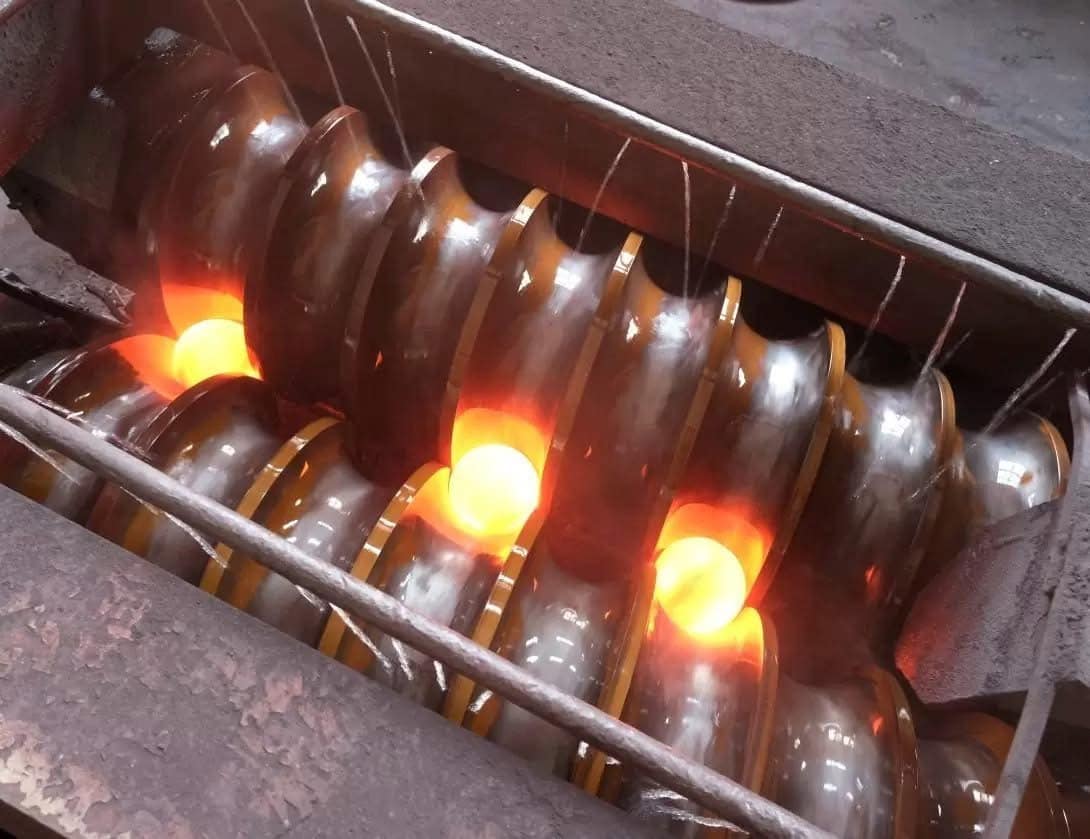
Hot-rolled steel balls are formed from selected alloy-steel bars through a controlled rolling process. After forming, they undergo quenching and tempering to develop the hardness distribution, impact toughness and wear resistance required for grinding applications. This production method supports efficient manufacturing and consistent dimensional control across suitable diameter ranges.
Key Features:
- Consistent dimensions: The rolling process helps control ball diameter, roundness and batch-to-batch consistency.
- Controlled heat treatment: Quenching and tempering are adjusted according to material grade and ball diameter to obtain the required surface and core hardness.
- Application range: Suitable for ball mills used in mining, cement production and thermal power generation when matched to the operating conditions.
- Selection factors: Ball diameter and material grade should be selected according to mill size, ore hardness, quartz content, feed size and impact level.
- Quality verification: Chemical composition, hardness profile, impact toughness, dimensions and breakage performance should be confirmed against the agreed specification and inspection records.
Applications of Grinding Balls
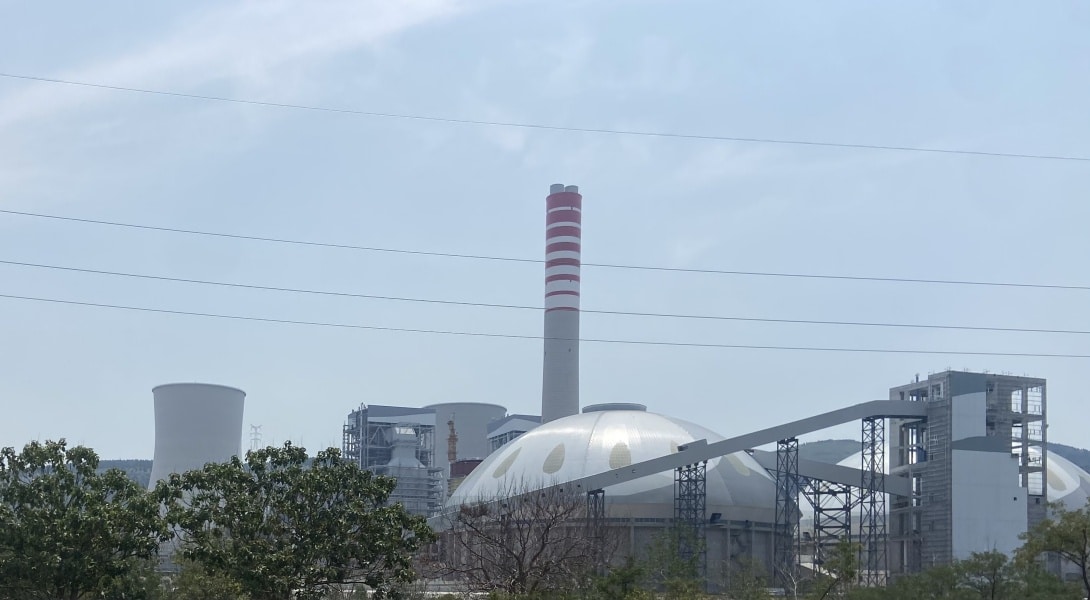
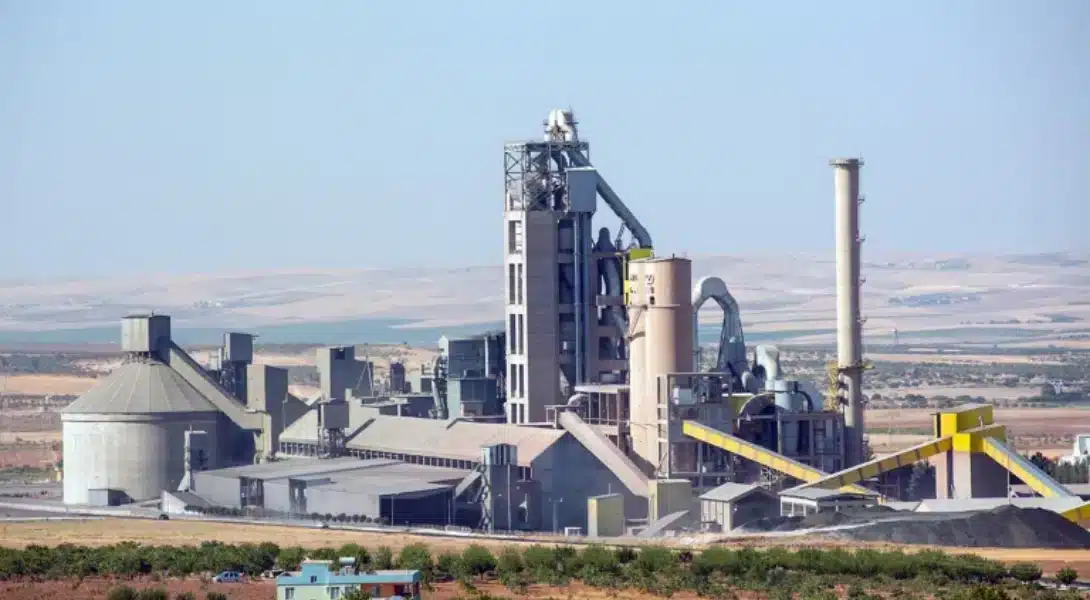
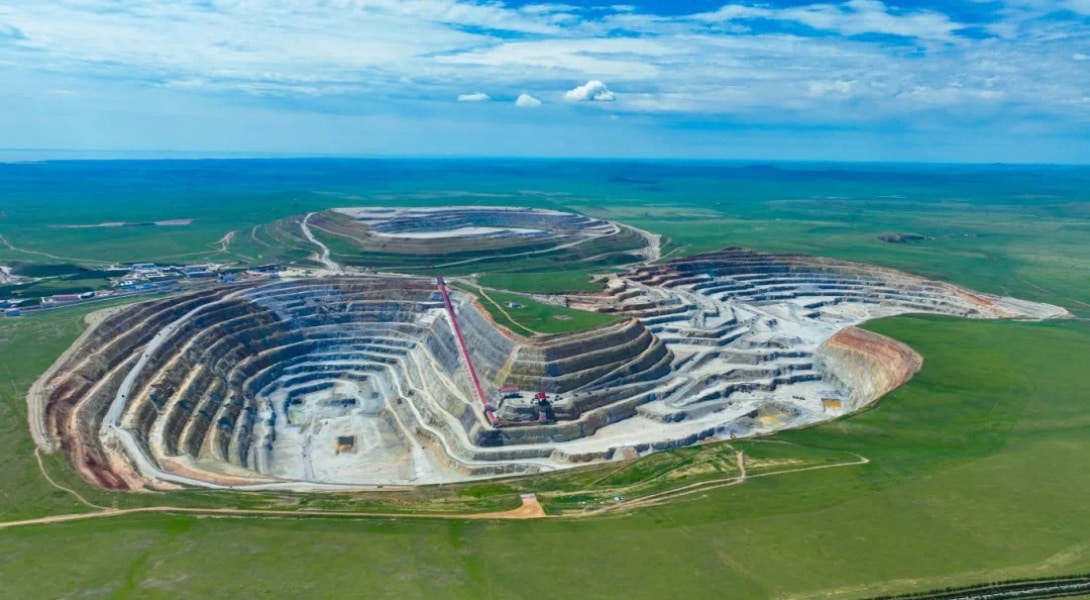
Grinding balls are used in ball mills and SAG mills across mining, cement production and thermal power generation. The appropriate ball diameter and material grade should be selected according to mill size, ore or feed characteristics, grinding conditions and the required product size.
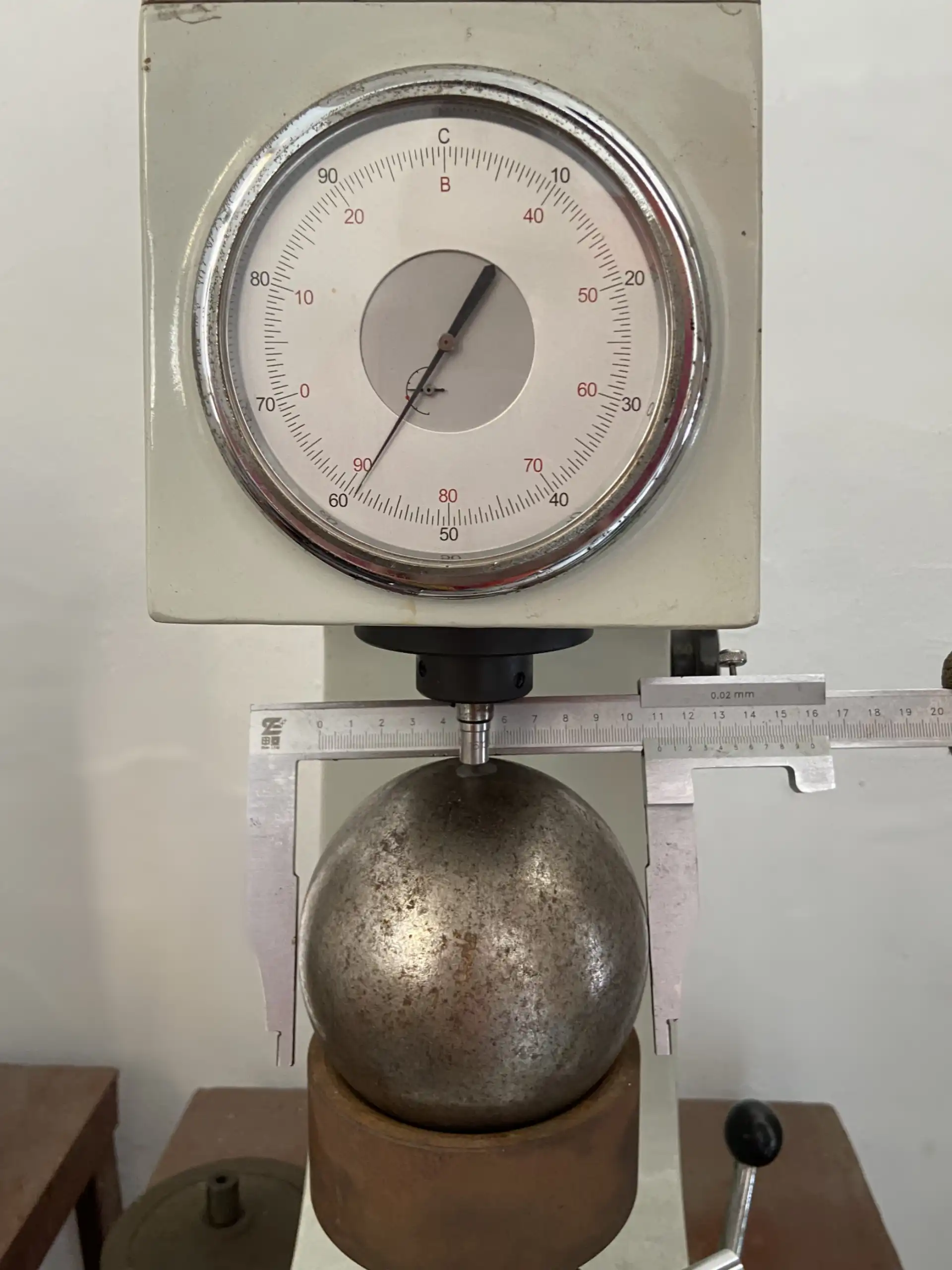
Grinding Ball Hardness Before and After Wear
Comparison of hardness measurements at an initial diameter of 130 mm and a worn diameter of approximately 110 mm.
Selected Customers
A selection of mining and industrial companies we have supplied with grinding media.


Connect With Us
Frequently Asked Questions
Are you a trading company or a manufacturer?
We are a dedicated grinding ball manufacturer based in Tai’an, Shandong, China, not a trading company. Our grinding ball manufacturing history dates back to 1988, and Shandong Gangyan Grinding Ball Co., Ltd. was formally established in 2014. We supply forged, hot-rolled and cast grinding media for mining, cement production and thermal power generation.
What are the key features of your grinding balls?
Our grinding balls are available in diameters from Ø10 mm to Ø150 mm and in GY-45, Mn, B2 and B3 grades. For applicable B2 and B3 specifications, surface hardness can reach 60–65 HRC, core hardness is at least 58 HRC, impact toughness is at least 12 J/cm², drop-ball testing covers at least 12,000 cycles, and the breakage rate does not exceed 0.8%. Exact performance requirements are confirmed according to the agreed grade, diameter and test method.
Do your grinding balls have international certifications?
Shandong Gangyan holds ISO 9001 quality-management and ISO 14001 environmental-management certifications. These are management-system certifications, not individual product certificates. For each order, we can provide applicable batch inspection records for chemical composition, hardness, impact toughness and dimensions, and third-party inspection can be arranged upon request.
What types of grinding mills are your grinding balls suitable for?
Our grinding balls are suitable for ball mills and SAG mills used in mining, cement production and thermal power generation. The recommended ball diameter and material grade depend on mill size, ore or feed characteristics, quartz content, feed size, wet or dry grinding and impact conditions. Share your operating data with us, and we can recommend an appropriate specification.
What materials are your forged steel balls made from?
Our forged steel grinding balls are manufactured from selected carbon and alloy steel bars. Available grade families include GY-45, Mn, B2 and B3, with the grade selected according to ball diameter and operating conditions. The exact chemical composition and heat-treatment requirements are confirmed in the agreed specification and corresponding inspection records.